

The Camp Setup That Won’t Ruin Your Fishing Day
If you fish dawn and dusk, camp in between, and repeat, you already know the truth: a bad night turns the morning bite into a chore. I’ve tried to “tough it out” with a thin pad and a leaky tent once, and I spent the next day casting like I had a cold. Never again.
This guide is a practical checklist for camping gear for Lower 48 freshwater anglers. Think lakes, rivers, trout streams, and bass ponds across the contiguous states. Not Alaska, not saltwater, not long backcountry trips where every ounce is life or death.
The goal is simple: stay dry, sleep warm, eat well, and keep tackle simple so you’re fresh when the water looks right.
Also Read 👉: Best Camping Essentials for Anglers (Freshwater U.S.)
The core camping setup that won’t wreck your fishing day
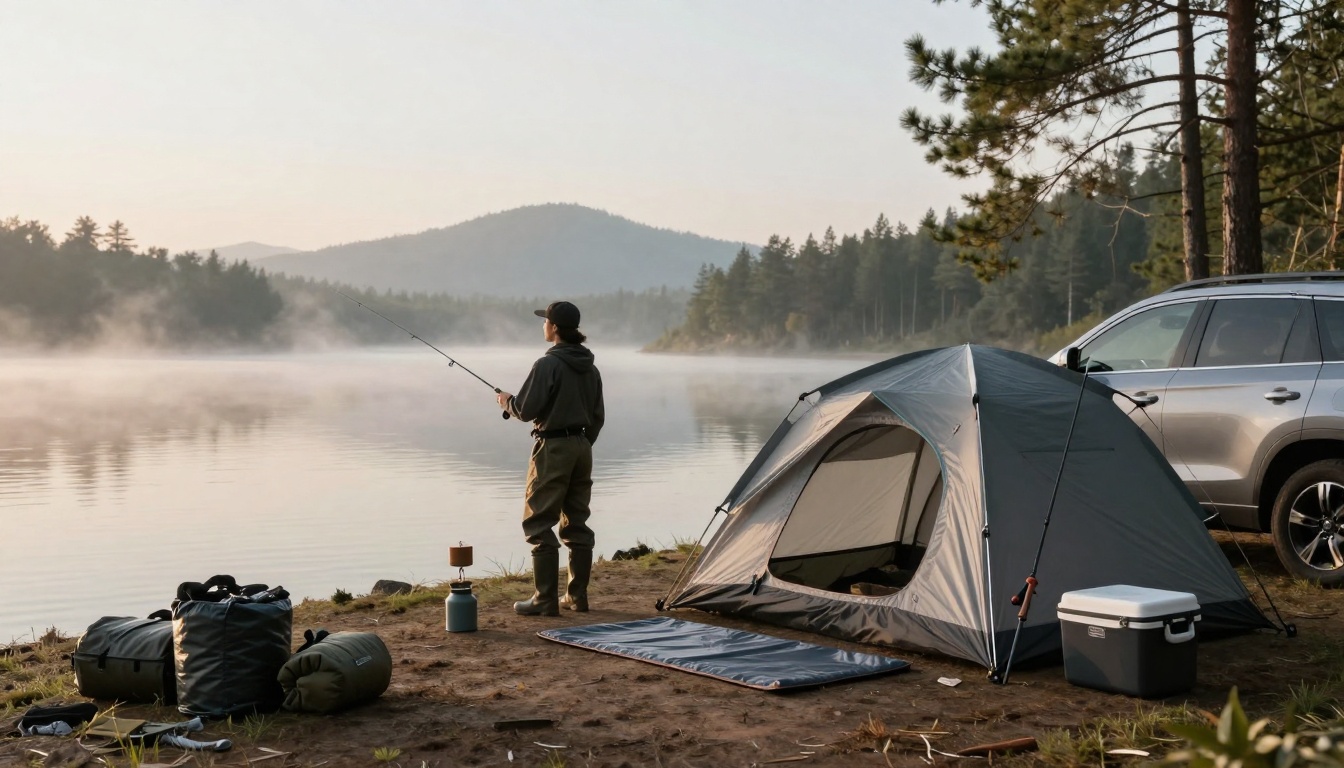
For most Lower 48 trips, you’re either car camping or walking a short distance from the truck to a bank-side spot. That means you can bring comfort, but you still want to avoid bulky junk that eats time and space.
Weather is the wildcard. Summer nights can feel sticky, shoulder seasons can drop below freezing, and a rainy weekend can turn your camp into a mud pit. The common mistakes are predictable: a bargain tent that wets out, and a sleeping bag that’s rated for “survival” not actual sleep.
Shelter, sleep, and a dry place for waders and boots
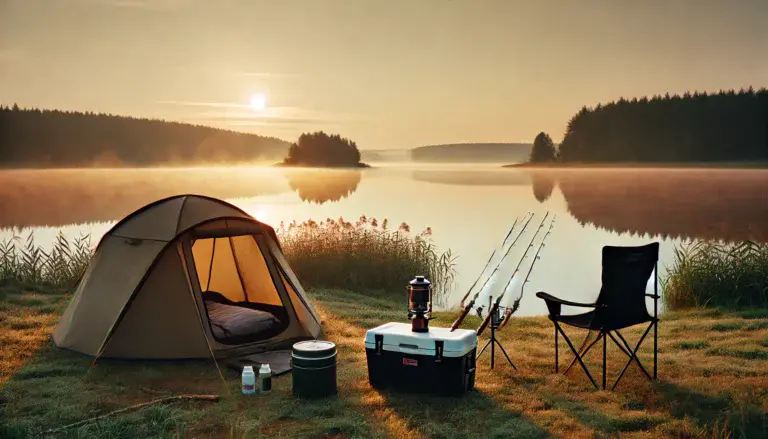
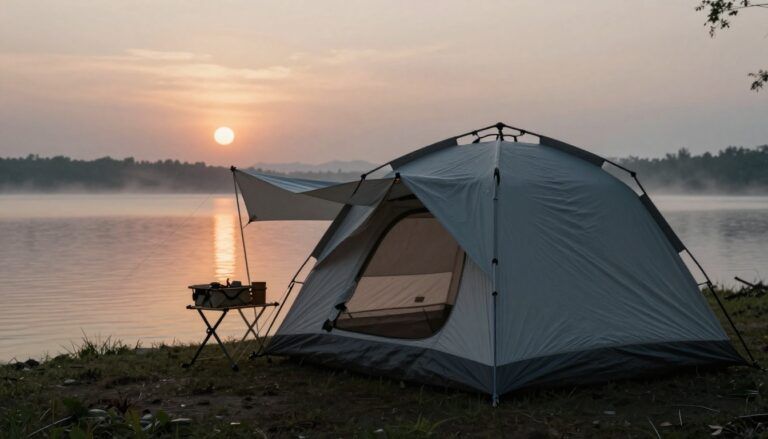
A good shelter is more about staying dry than having a palace. For car camping, a simple 2-person or 3-person tent gives you room for boots and a tackle bin. If you like to cook under cover or expect steady rain, a small tarp is worth its weight, even if you feel a little silly setting it up on a calm day.
A few details matter more than brand names:
- Ground cloth or footprint: Keep it slightly smaller than the tent floor so it doesn’t collect rain.
- Stakes that match the ground: Sand and gravel laugh at tiny wire stakes. Bring a few wider stakes or Y-stakes.
- Compact doormat or extra scrap of ground cloth: Set it at the door for muddy banks and wet wading shoes.
For sleep, start with the part people ignore: the sleeping pad. It’s your insulation. A decent pad plus a so-so bag usually beats a great bag on a cheap pad. A 3-season bag or quilt fits most of the Lower 48 from late spring to early fall, but shoulder season trips often want a warmer rating than you think.
Add a small pillow (or a stuff sack filled with a jacket) and you’ll sleep like a functional human again.
Wet gear is the other piece. Bring 20 feet of paracord and a few clips so you can hang socks, base layers, and even wading belts. I like a mesh bag for damp gloves and hats. Keep waders and boots out of the tent if you can, under a vestibule, in a tote, or covered by a tarp corner. Your tent will smell better, and so will you.
Camp kitchen and water, quick meals that fit fishing schedules
You don’t need gourmet camp meals when the best bite is at first light. You need food you can make half-awake, and cleanup you won’t hate.
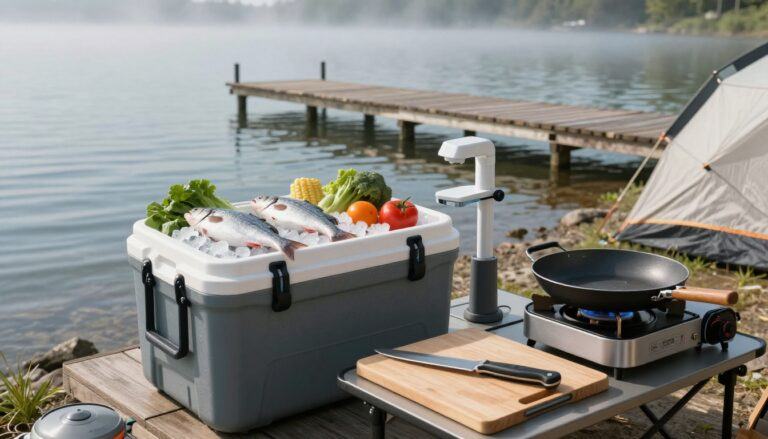
A compact stove, a lighter, and one pot with a lid covers most trips. If you want coffee, add a small kettle or a simple pour-over setup. Plan fuel like you plan leaders, bring a little extra because running out is oddly demoralizing.
For food storage, I split it like this:
- Cooler: Great for 1 to 2 nights, eggs, meat, and cold drinks, but it’s bulky.
- Dry-food bin: Pasta, rice, oats, tortillas, tuna packets, jerky, and snacks, easy to stack and keeps critters out.
Water is where people get casual, then regret it. For rivers and lakes, a filter is the main tool, and backup tablets are cheap insurance. Even car campers should store water in a jug, not just “hope the campground spigot works.”
In bear country and that includes a lot of the West and parts of the Appalachians, keep food and scented items managed. Use a bear box if it’s there, store food in your vehicle where allowed, or hang it if that’s the local norm. I also try to keep fish attractants, soft plastics, and sunscreen out of my tackle backpack. Smell travels, and raccoons are basically tiny lock-pickers.
Fishing-first gear that makes camping smoother (not heavier)
Camping basics keep you comfortable. Fishing-first gear keeps you efficient. The trick is choosing items that save time and prevent damage, because nothing ruins a trip like a snapped rod tip or a reel full of grit.
This is the stuff that helps at camp, on the walk in, and during those quick “I’ve got 20 minutes before dinner” sessions.
Pack and storage for tackle, rods, and wet-weather protection
Pick a carry style that matches how you fish, not what looks cool online.
A daypack works best if you carry extra layers, lunch, and water. A sling is nice for bank fishing when you’re moving a lot and changing lures often. A chest pack is great for fly fishing or wading because it keeps tools high and accessible, but it can feel cluttered if you also carry camera gear.
Whatever you pick, add one simple upgrade: a dry bag or roll-top pouch for electronics and spare clothing. Even on “nice” weekends, you’ll brush wet grass or set your pack on a damp rock.
Keep tackle tight and limited. Most trips don’t need a tackle shop.
- 2 to 3 small trays for hard baits, weights, and terminal
- One zip bag for soft plastics, another for leaders or tippet spools
- Label the trays, even with tape, it saves real time in low light
For rod protection at camp, I’m a little paranoid. A rod tube is best for travel. At minimum, use tip protectors and don’t toss rods in an open truck bed where dust and grit get into everything. If you keep rods rigged, loosen drags and avoid storing them where someone will step on them at 5:30 a.m.
Rain gear matters too. Look for a rain jacket that lets you cast without fighting the sleeves, and pack pants if the forecast looks ugly. Add polarized sunglasses for glare and fish-spotting, plus they save your eyes when a hook goes weird.
On-the-bank essentials: safety, bugs, sun, and simple repairs
This is the unglamorous kit, and it’s the kit you’ll use.
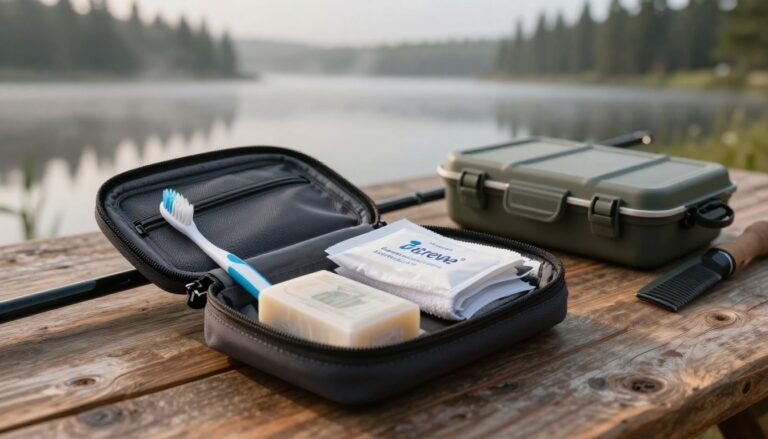
A small first-aid pouch should handle hooks and minor cuts: bandages, tape, antiseptic wipes, tweezers, and a tiny pair of cutters (for line and, in a pinch, a barbed hook situation). I think it’s smart to toss in a couple blister patches too, because wet feet plus walking equals pain.
A headlamp is non-negotiable. Early starts, night rigging, and finding the tent zipper in rain all require hands-free light. Bring spare batteries or a backup mini light.
Bugs and sun are trip killers in their own ways. Carry repellent, and keep a head net for those evenings when bugs swarm your face the second the wind dies. For sun, a UPF shirt, brimmed hat, and sunscreen do more than prevent a burn, they keep you from feeling cooked by noon.
For cold water, bring a warm layer you can put on while standing still. Fishing isn’t hiking. You’re not generating much heat when you’re watching a seam.
Finally, a tiny repair kit can save a weekend: a few feet of duct tape wrapped on a card, zip ties, seam sealer (or patch tape), needle and thread, plus a multi-tool or pocket knife. Add a power bank, and keep your phone in a waterproof pouch. Phones die fast when it’s cold, and water is always nearby.
A simple packing plan for Lower 48 freshwater trips (weekend-ready)
Packing gets messy when you mix “camping brain” and “fishing brain.” I try to pack in passes: sleep system first, then kitchen and water, then fishing gear, then clothing and weather protection. If you do it in that order, you’re less likely to forget the boring stuff that keeps you functional.
Here’s a quick way to tailor your gear without bringing the whole garage.
3 quick kits: warm-weather lake, cold-water river, and rain-heavy forecast
| Scenario | Sleep and camp tweaks | Clothing tweaks | Fishing protection tweaks |
|---|---|---|---|
| Summer lake (bass, panfish) | Lighter sleeping bag, more ventilation, extra water jug | UPF shirt, thin socks, bug plan for dusk | Keep plastics sealed, wipe sunscreen off hands before tying knots |
| Spring or fall cold river (trout) | Warmer bag, higher-insulation pad, hot drink option | Extra dry socks, insulated layer, light gloves | Keep reels off sand, rinse grit, protect fly line from mud |
| Rainy forecast weekend | Tarp over tent door, extra stakes, more trash bags | Waterproof shell, rain pants, one “camp-only” dry set | Dry bag for tackle and electronics, microfiber towel for quick wipe-down |
Footwear changes a lot too. Warm weather can mean wet wading shoes and quick-dry pants. Cold water usually means waders, and you’ll want a plan for where they live at night so your tent doesn’t turn into a swamp.
Final pre-trip check that prevents the most common headaches
Check the weather and water temps the day before, then again the morning you leave. Weather shifts fast, and rivers can jump overnight.
Confirm permits and access rules, even at familiar spots. Test your stove at home with the fuel you’re bringing. Charge batteries, headlamp, phone, and power bank. Pre-rig one or two rods (or at least tie on leaders) so you’re not fumbling at dawn.
Pack a couple trash bags, one for garbage and one for wet gear. Decide where wet boots and waders will go before they’re wet. Last thing, leave camp clean, keep vehicles off soft edges, and don’t block access points. People remember that stuff.
Final Advice
The best camping gear for freshwater anglers isn’t fancy, it’s the gear that keeps you dry, rested, and organized so you fish better. Start with the core setup, shelter, pad, bag, water, then add fishing-first items that prevent breakage and save time.
After a few trips, your kit gets calmer. Less rummaging, fewer wet surprises, more mornings where you wake up ready to fish. What kind of water do you fish most, lakes, rivers, or small creeks? Your answer is the easiest way to fine-tune what you bring next time.
“`htmlCamping Gear for Lower 48 Freshwater Anglers: FAQs
Quick answers for staying dry, sleeping warm, and keeping tackle simple on typical Lower 48 freshwater trips.
What camping gear matters most for Lower 48 freshwater anglers?
Start with the gear that protects sleep and dryness. If you wake up cold or soaked, the morning bite feels like work.
- A tent that stays dry in steady rain
- A sleeping pad with real insulation
- A sleeping bag rated for comfort, not survival
- A tarp or vestibule plan for wet boots and waders
- A simple way to keep tackle and clothes dry
Is a sleeping pad really more important than the sleeping bag?
Often, yes. The pad is your insulation against the ground. A decent pad with a mid-level bag can beat a great bag on a cheap pad, especially near rivers, damp banks, and cold spring or fall nights.
What’s the easiest way to keep waders and boots from stinking up the tent?
Keep them out of the sleeping area whenever possible. Use the vestibule, a tote, or a tarp corner. Add paracord and a couple clips so socks and base layers can hang and dry instead of staying balled up.
- 20 feet of paracord and a few clips
- Mesh bag for damp gloves and hats
- Doormat or scrap ground cloth at the tent door
What’s the best food setup for fishing dawn and dusk?
Keep it simple and fast. A compact stove, one pot with a lid, and meals you can make half-awake. The goal is breakfast and coffee without a 30-minute cleanup when the water looks right.
- Canister stove + lighter + one pot
- Dry-food bin for stackable meals and snacks
- Cooler for 1–2 nights if you want eggs or meat
Do I really need a water filter if I’m car camping?
It’s smart to have one. Camp spigots fail, sites run dry, and you’ll still end up pulling water from a lake or river at some point. A filter is the main tool, and tablets make a cheap backup.
What’s the best way to protect tackle and electronics in wet weather?
One roll-top dry bag or pouch goes a long way. Use it for your phone, batteries, and one spare clothing layer. For tackle, keep it limited and closed up. Wet grass and damp rocks will get you even when it isn’t raining.
- Dry bag or roll-top pouch for electronics
- Microfiber towel for quick wipe-down
- Two small tackle trays and labeled bags
What should I pack for a rain-heavy weekend?
Think in layers and containment. Keep rain outside your sleeping space, and keep one set of clothes dry for camp. Add stakes that actually hold in soft ground and wind.
- Tarp over the tent door or cooking area
- Extra stakes and guyline
- Rain jacket and rain pants
- One camp-only dry outfit in a dry bag
- Trash bags for wet gear and trash
What’s a simple repair kit that actually gets used?
Keep it small and real. You’re not sewing a sailboat. You’re fixing small problems that ruin trips.
- Duct tape wrapped on a small card
- Zip ties
- Patch tape or seam sealer
- Needle and thread
- Multi-tool or pocket knife