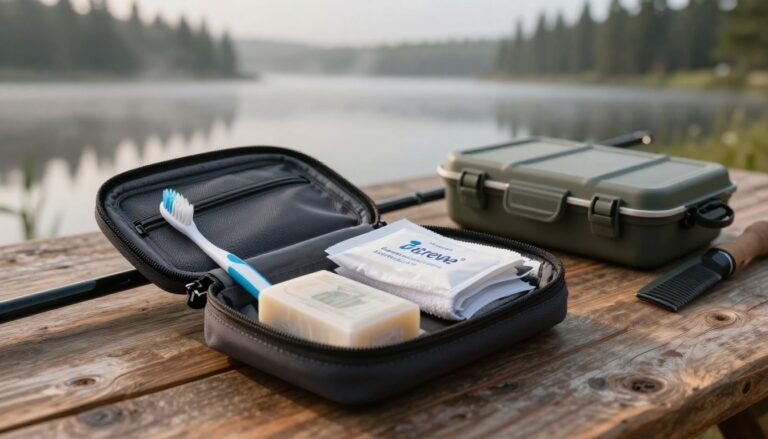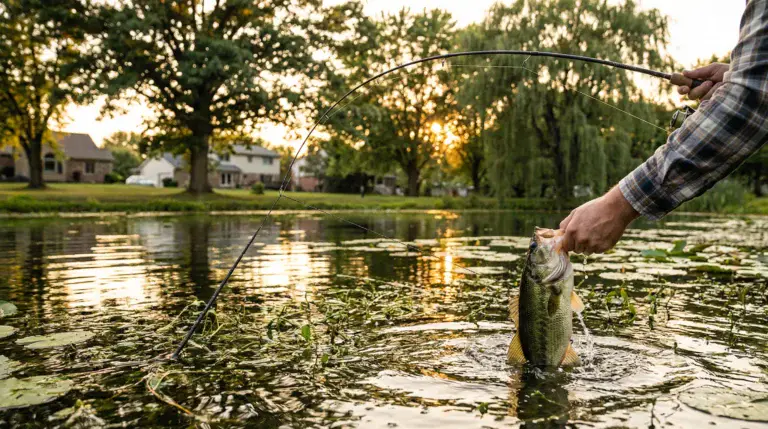


A good fishing camp morning moves fast, coffee in one hand, boat launching at first light, then a pile of fish to clean before anyone’s really hungry. Lunch turns into “whatever’s easy,” and dinner is often a fry-up with everyone hovering nearby. That’s exactly why food safety for fishing camps matters. Heat, limited water, and shared coolers can turn one small mistake into a long night of stomach trouble. The fix isn’t complicated: keep it cold, keep it clean, cook it right.
Plan your menu and pack like you won’t get a second chance
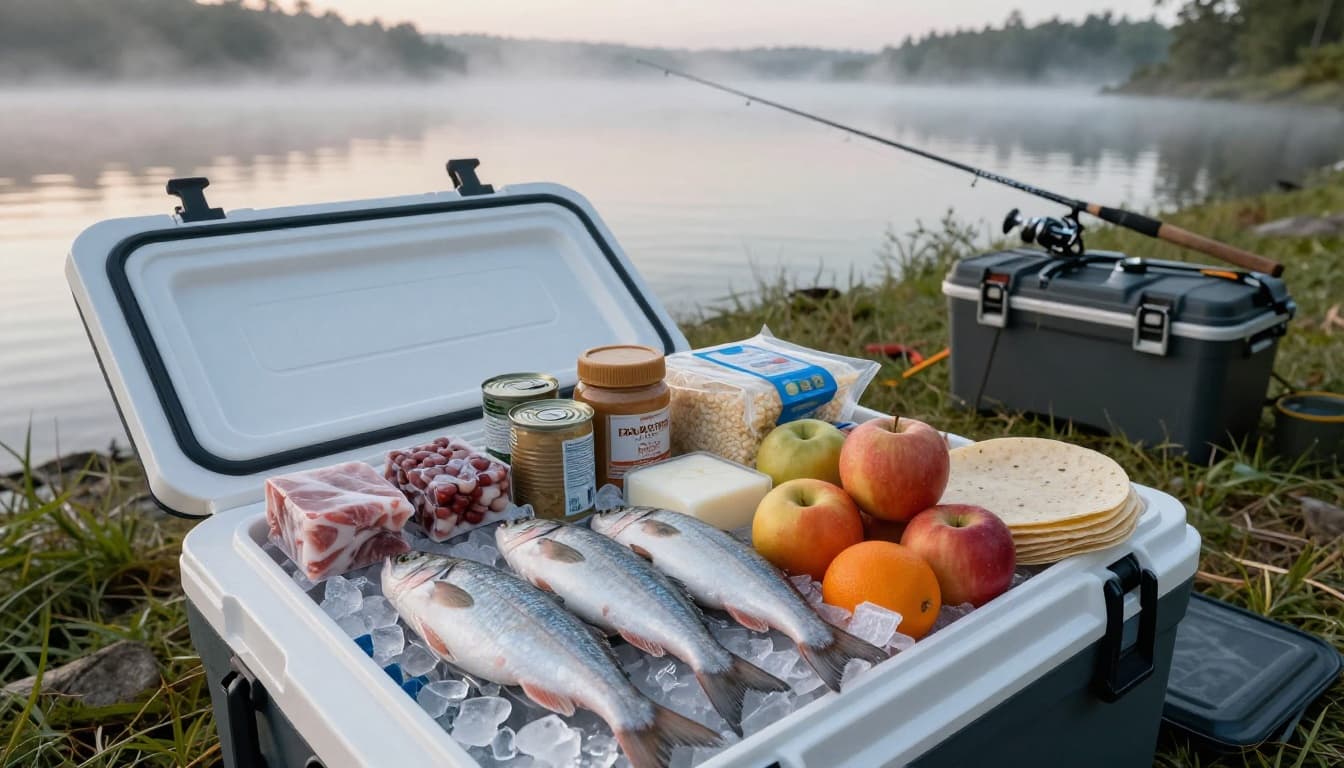
In camp, you don’t have a fridge, and “we’ll figure it out” usually means warm meat and a half-bag of ice by day two. I plan meals that don’t punish me for being outdoors. Shelf-stable basics do a lot of work, and I pre-freeze anything perishable so it acts like extra ice. Summer heat speeds spoilage, so pack like your cooler is the only cold storage you’ve got (because it is). For a solid refresher, USDA’s food safety guidance for camping and boating lines up with what seasoned camp cooks already practice.
Pick foods that handle travel, heat, and long days
Think simple: rice packets, tortillas, canned beans, peanut butter, hard cheeses, trail mix, and whole fruits (apples and oranges don’t bruise as easily). Risky items like raw eggs, deli salads, and mayo-based sides are fine only if you can keep them below 40°F the whole time. If you can’t, skip the gamble.
Coolers and ice strategy that actually works
Start with cold food, not room temp. Use block ice or frozen jugs, they last longer than cubes. Open the lid less than you think you need to. Keep raw fish and raw meats separate from ready-to-eat foods, and store raw items low so nothing drips. Drain meltwater, refresh ice, and aim to keep the cooler under 40°F.
Clean hands, clean tools, safe water, no shortcuts
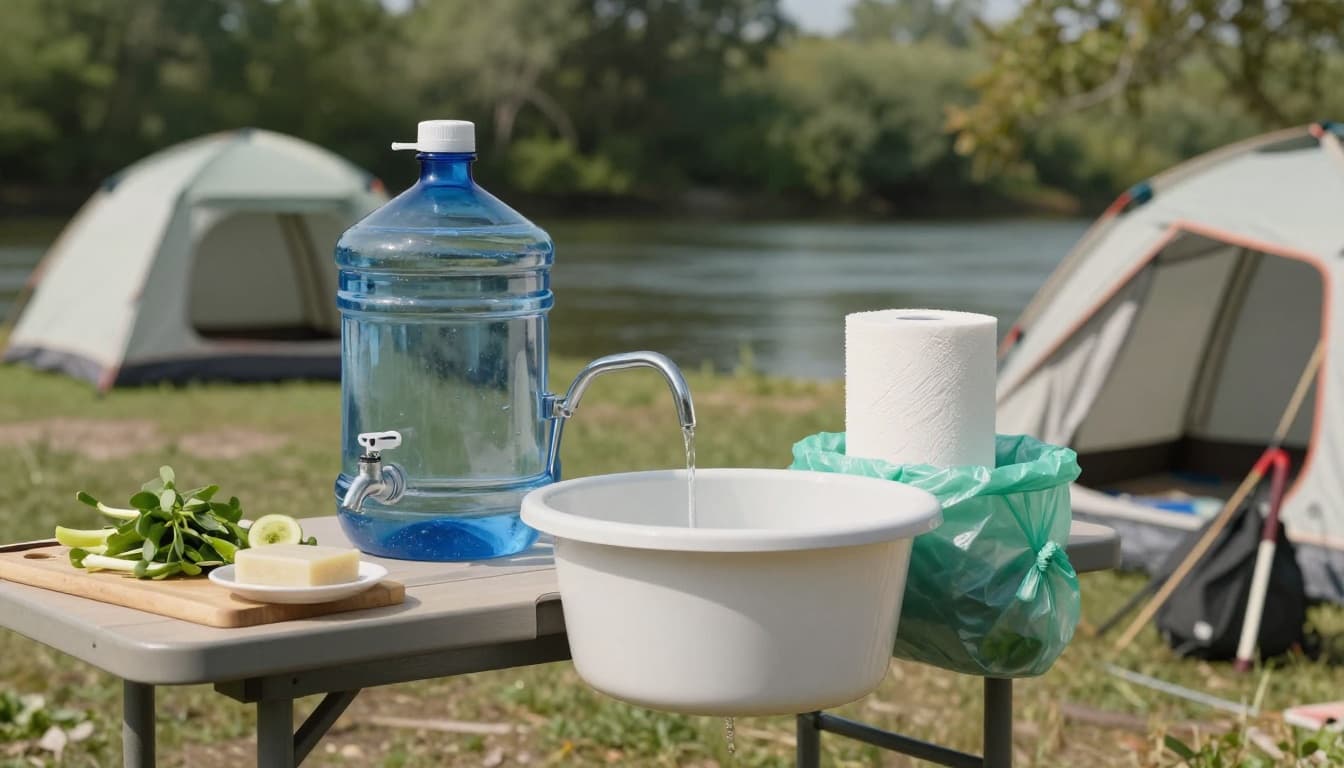
Most camp sickness, in my experience, isn’t from “bad fish.” It’s from dirty hands, shared knives, and sketchy water. Set a routine and stick to it, even when everyone’s tired and hungry. If you need more detail on camp-safe handling, Clemson’s camping food safety basics are worth a quick read.
A quick handwashing setup that’s better than “we’ll be careful”
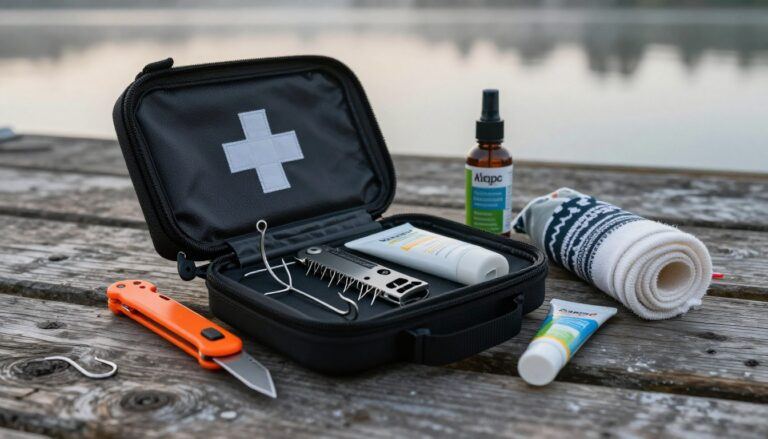
Bring a treated water jug with a spout, soap, paper towels, and a trash bag. Wash before cooking, after the bathroom, after handling raw fish, and after touching trash. Hand sanitizer (60%+ alcohol) helps, but if your hands are slimy or gritty, soap and water wins.
Stop cross-contamination when cleaning fish and making lunch
Use one board and knife for raw fish, another for snacks and veggies. Wash tools with hot, soapy treated water when you can, or scrub and sanitize. Keep fish scraps in a “raw-only” tub. And don’t put cooked fish back on the same plate that held it raw, that one gets people more than they admit.
Cook fish to the right temp and handle leftovers safely
Outdoor cooking can fool you. Fish can look done and still be under. The quick guardrail is temperature, plus staying out of the danger zone (about 41°F to 135°F) for too long.
Fish doneness you can trust (not just “looks flaky”)
Cook fish to 145°F, then let it rest 3 minutes. A small instant-read thermometer is worth the space. Wipe it between uses. If you reheat leftovers, bring them to 165°F.
Leftovers and fish fry lines, keep food out of the danger zone
Don’t leave cooked food out for more than 2 hours, or 1 hour if it’s over 90°F. Keep serving tongs clean, cover food, and avoid leaving big bowls sitting “family-style.” Cook smaller batches. Chill leftovers fast in the cooler, in shallow containers, with fresh ice nearby.
Conclusion
Food safety for fishing camps comes down to three anchors: cold (under 40°F), clean (hands, tools, safe water), and cook (fish to 145°F). It’s not fussy, it’s just habits. Pack a thermometer, two cutting boards, and a basic handwash kit, then fish and eat with less worry. Nobody goes to camp hoping to test their stomach’s toughness.