

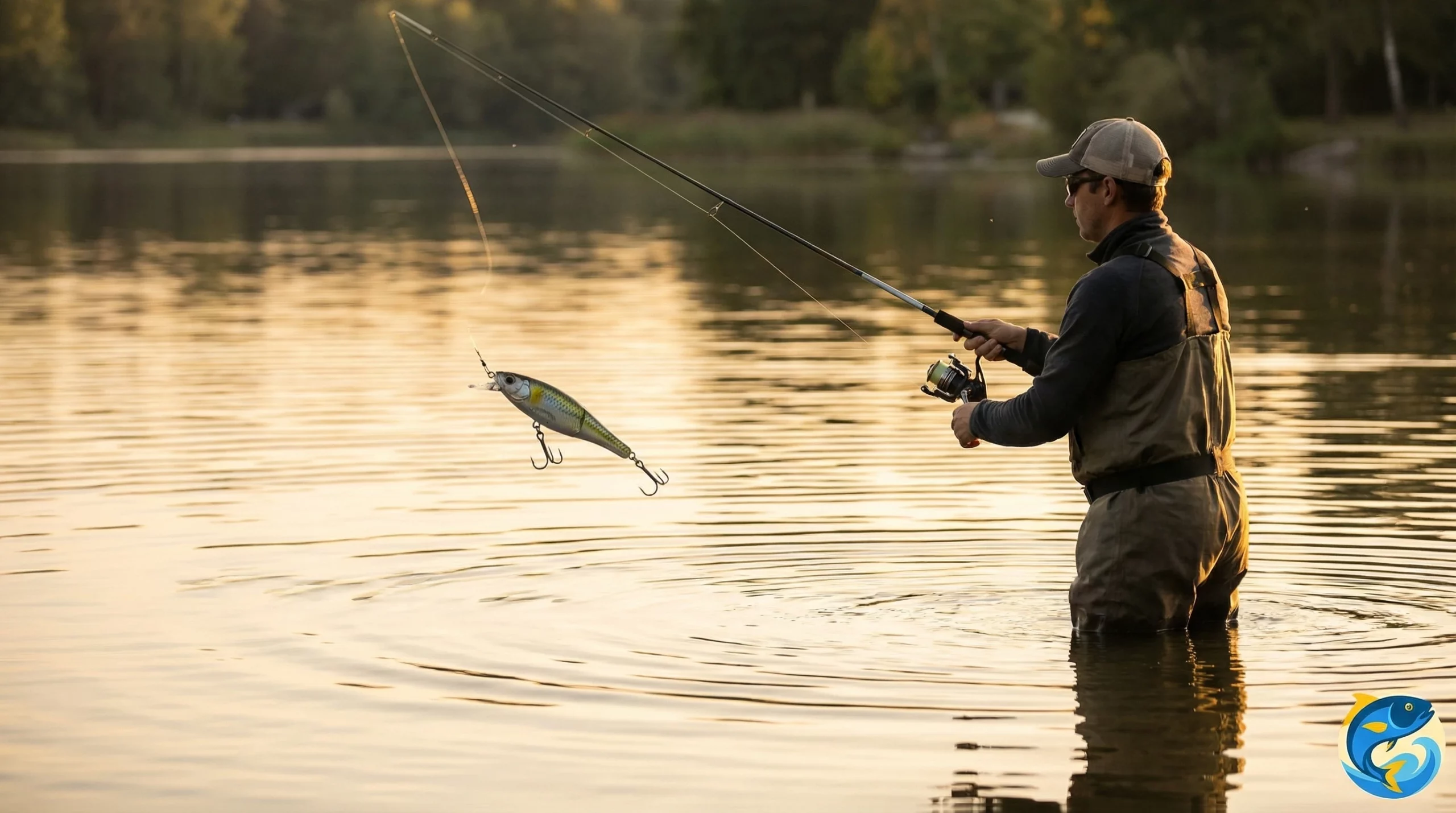
Ever read a tackle review that swears a reel is “buttery smooth,” then you fish it for a month and it starts feeling like a coffee grinder? Yeah. That’s why fishing tackle reviews only matter if they tell you what happens after real casts, real snags, and real fish.
This guide is how I sort good reviews from noise, plus what I’m watching in early 2026: lighter reels, better budget options, and more anglers quietly sliding into finesse setups when the bite gets tough.
What a good fishing tackle review should tell you (but often doesn’t)
A useful review feels less like a sales pitch and more like a buddy talking after a long day on the water. It should answer practical stuff:
- Where it was tested (bank, kayak, boat, river current, wind).
- What line and lure weights were used, because that changes everything.
- What went wrong, even if it’s small (wind knots, hook points rolling, paint chipping).
- How it held up after multiple trips, not just an unboxing.
If a review never mentions downsides, I don’t trust it. Even great gear has quirks. A stiff bail spring, a spool lip that’s picky with light braid, a jig head that chips if you bounce it on rock all day.
Reels in 2026: lighter, smoother, and (sometimes) cheaper than you’d expect
Early 2026 is still riding a trend that’s been building for a while: lighter reels with smoother drags, and more “good enough” options under the premium tier. That doesn’t mean every budget reel is solid, but the gap has narrowed.
When you’re reading reel reviews, look for these details:
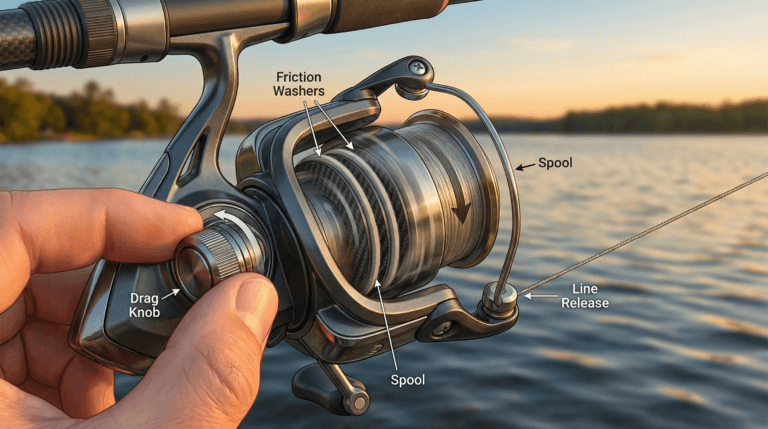
Drag performance under steady pressure
A drag can feel fine on a bench pull, then pulse when a fish runs. Reviewers who mention long runs, surging, or how it behaves with light leaders are doing you a favor.
Start-up inertia (the first split-second)
This matters a lot for trout, panfish, and finesse bass. If a reviewer only talks about max drag, they’re missing the point for lighter setups.
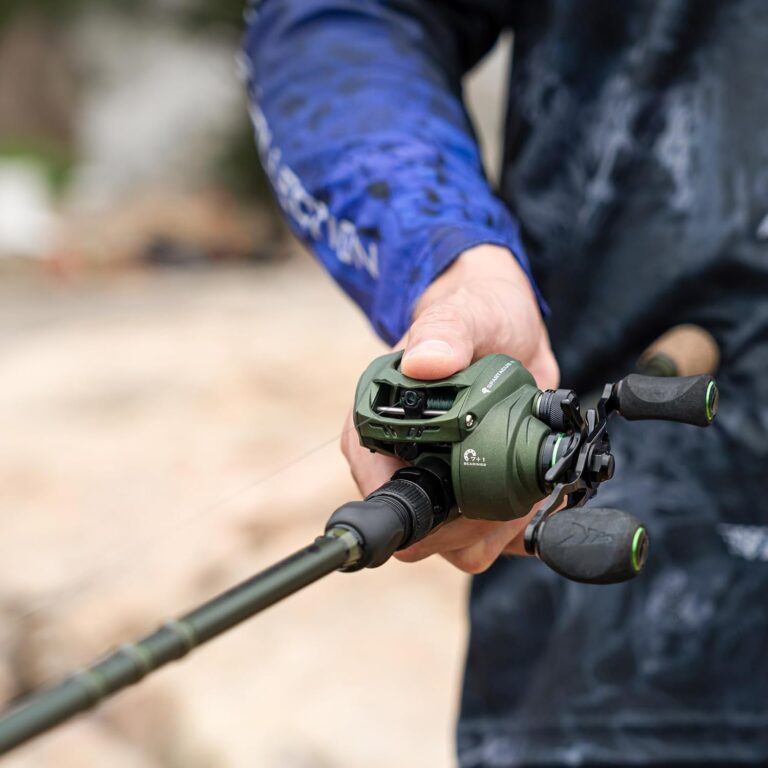
Casting control on baitcasters
Real talk, most backlash complaints come down to setup and thumb control, but some reels are more forgiving. I pay attention when a reviewer compares it directly against other reels in the same day, same rod, same line.
If you want examples of what “tested” looks like, here are two reviews that lean into on-the-water detail: Abu Garcia Zenon MG-X Casting Reel, Expert Tested and Daiwa Aird 80H Casting Reel, Expert Tested. Even if you’re not buying those exact reels, the testing notes show what you should expect from any credible write-up.
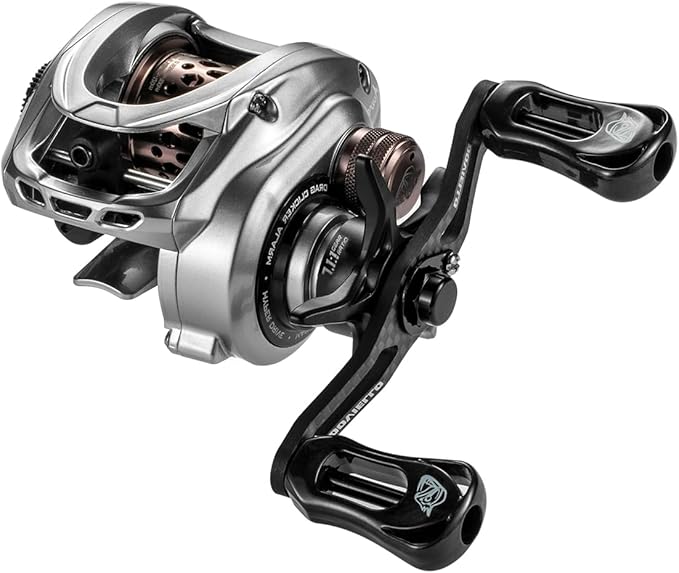
The Abu Garcia Zenon MG-X is practically indestructible. Can handle anything you throw into it’s path.
Rod reviews: the “feel” problem (and how reviewers can prove it)
Rod reviews get mushy fast because sensitivity is personal. One person’s “crisp” is another person’s “pool cue.” Still, a good reviewer can make it concrete.
Here’s what I want to see:
Lure range honesty: If a rod says 1/8 to 1/2, I want to know where it actually feels best. Many rods will cast the extremes but don’t fish them well.
Balance with a real reel: A rod can be light but tip-heavy. That’s fatigue by noon, especially if you’re working jerkbaits or hopping jigs.
Guide quality and insert wear: Small detail, big consequences. Cheap guides can eat braid over time, or they’ll start squeaking and you’ll pretend you don’t hear it (you do).
One more thing, don’t ignore technique match. A “do-it-all” rod is like a multi-tool: handy, but it’s not your best knife.
Lure and terminal tackle reviews: focus on hook-ups, not paint jobs
Lure marketing loves paint, but fish don’t sign autographs. When I’m reading lure reviews, I care about two things: does it get bit, and does it keep them pinned.
Hard baits
Look for notes on:
- Track and roll at different speeds.
- Tuning (does it run true out of the package, or does it need tweaking).
- Hook hardware (split rings bending, trebles dulling fast).
A reviewer who says “caught fish” without telling you conditions is leaving out the plot. Clear water? Stained? Wind? Depth? Those clues matter more than color names.
Soft plastics and jig heads
This is where small complaints add up. A plastic that tears after one fish might still be worth it if it gets more bites, but a review should say that plainly.
If you like scanning what’s new each season, manufacturer “new products” pages can help you spot fresh profiles and materials before third-party testers publish long-term impressions.
Line and leaders: where honest reviews sound boring (in a good way)
Line reviews should be a little boring. That’s a compliment. The best ones talk about memory, knot strength, abrasion, and how it behaves after a few trips.
In 2026, more anglers are settling into a simple approach: thin braid main line with a fluorocarbon leader for sensitivity and casting distance, especially on lighter spinning setups. Reviews that mention wind knots, how it lays on the spool, and how it handles a leader knot through the guides are the ones I save.
My own rule: if a line review doesn’t mention at least one knot (Palomar, Uni, FG, Alberto), it’s not really a line review.
Reading tackle reviews without getting fooled
Even honest reviewers have bias. Some like fast rods, some love stiff drags, some fish from a boat and forget what bank anglers deal with.
Here’s how I keep it straight:
Match the reviewer to your fishing: A deep cranking guy might hate the rod you’ll love for spinnerbaits.
Watch for “first-week hype”: New gear often feels amazing for the first few trips.
Trust comparisons over adjectives: “More stable than X,” “casts 1/4-ounce better than Y,” “drag pulses less than Z.” That’s useful language.
If you’re curious how the top-end baitcaster world gets judged, it can be helpful to read a premium review just to learn what testers care about. You don’t have to buy a flagship reel to benefit from the testing mindset.
A quick framework for your own “mini review” after each trip
If you want your gear choices to get better (and cheaper) over time, keep a simple notes habit. After a trip, I jot down three lines in my phone. Nothing fancy.
| Gear type | What to note fast | Common red flag |
|---|---|---|
| Reel | Drag feel, line lay, any odd noise | Handle play grows quickly |
| Rod | Balance, fatigue, hook-set control | Guides squeak or nick braid |
| Lures | Bite triggers, landing rate | Hardware bends or dulls fast |
| Line | Wind knots, fray, knot confidence | Sudden mystery break-offs |
Those notes make future fishing tackle reviews easier to interpret because you know what annoys you, and what you’ll tolerate.
Conclusion: use fishing tackle reviews like a filter, not a verdict
The best fishing tackle reviews don’t tell you what to buy, they help you avoid the wrong buy for your water and your style. Look for real testing details, small negatives, and clear comparisons. Then add your own trip notes, because your hands and your spots are the final test.
Next time you’re tempted by a shiny new reel or a hot lure, slow down and ask one plain question: will this solve a problem I actually have on the water?